Android Modularization
The benefits of modularization (refactoring) your Android application include improved maintenance, better quality, faster builds, and improved efficiency.
Read more more about Android Modularization
The benefits of modularization (refactoring) your Android application include improved maintenance, better quality, faster builds, and improved efficiency.
Read more more about Android Modularization
Learn how you can use a Dependency Structure Matrix (DSM) to lower cost and complexity in large-scale Aerospace and Defense manufacturing.
Read more more about Using DSM in Large Scale Aerospace and Defense Manufacturing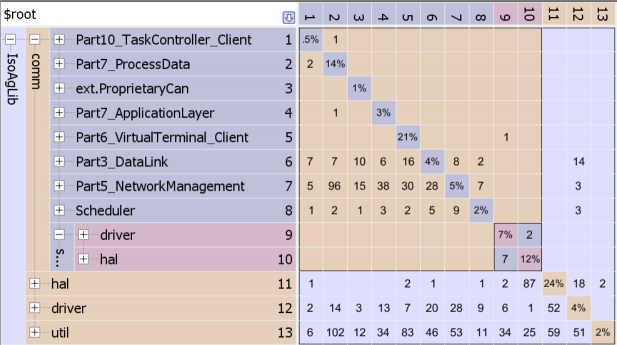
Architectural refactoring is improving the design of an existing software application. It changes the structure of the code but not the functionality.
Read more more about What is Architectural Refactoring?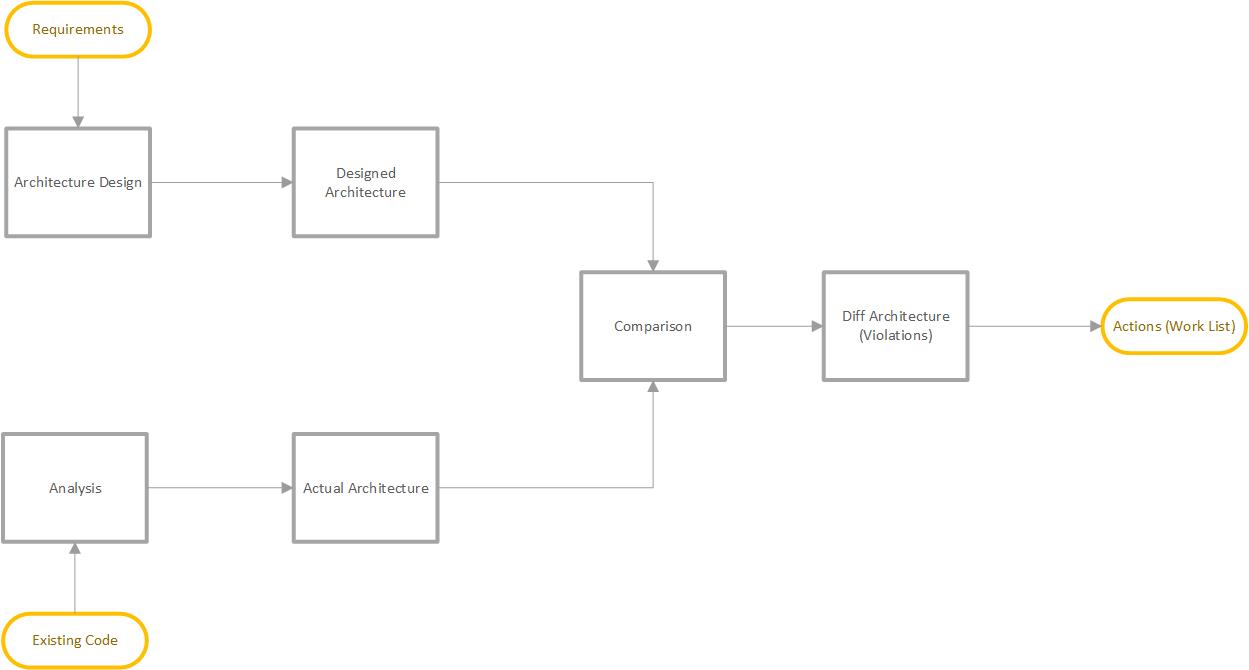
Architecture erosion is a common and recurring problem for agile development teams. Learn what causes it and how to keep your architecture from degrading.
Read more more about Architecture Erosion in Agile Development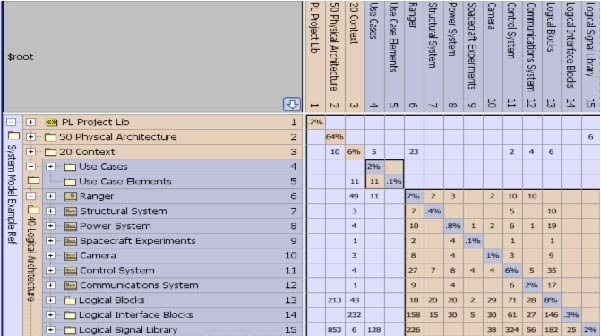
Shifting MOSA compliance left makes it easier and less expensive to implement, which leads to a more effective framework.
Read more more about Shifting MOSA (Modular Open Systems Approach) to the left
Software just keeps getting more complex. As it gets more complex, it becomes harder to maintain. Is simplification the answer?
Read more more about Simplicity is not the solution to Software Complexity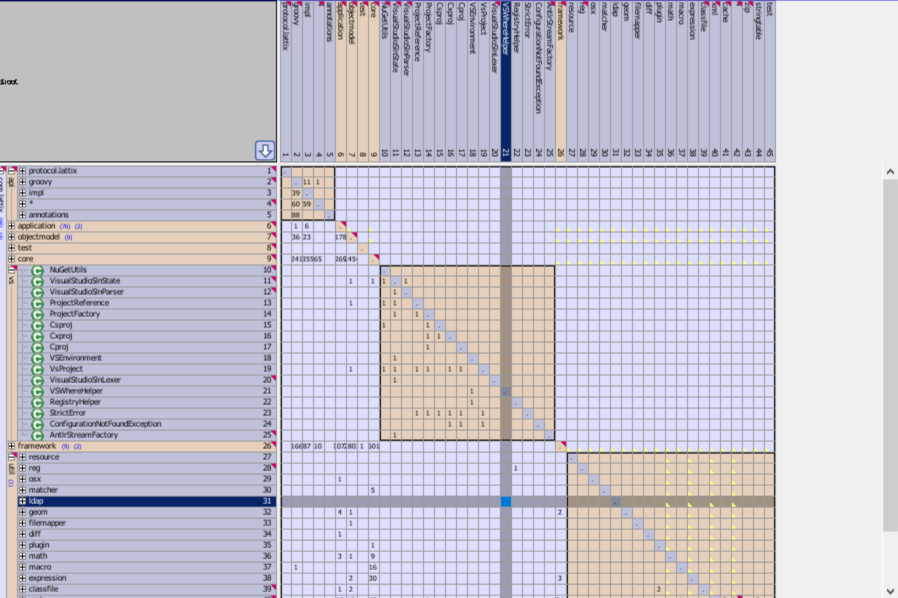
Learn how Lattix used Lattix Architect to find instances of log4j in their codebase and estimate how long it would take them to patch and test it.
Read more more about How Lattix handled the Log4j security vulnerability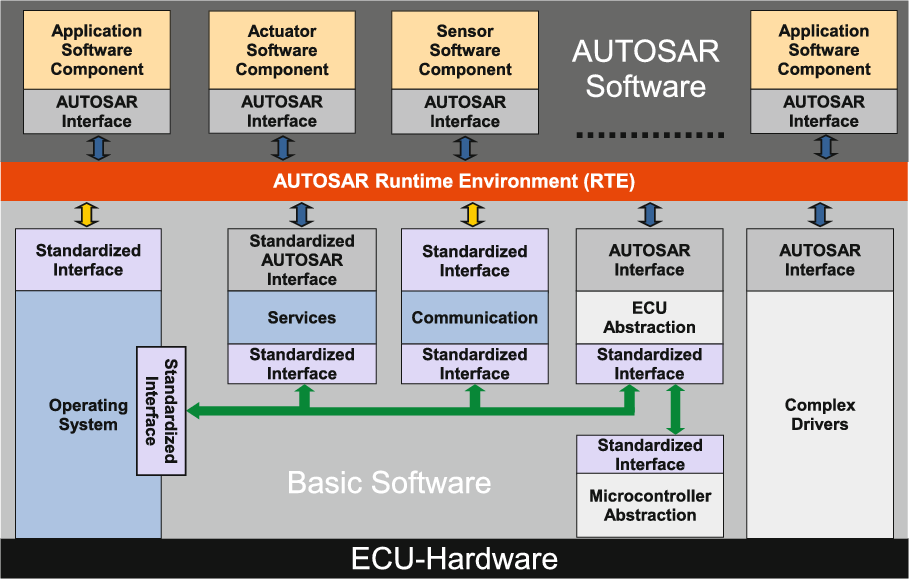
Modularity is a great strategy for automotive software which is why a number of standards (AutoSAR, ISO 26262, ASPICE) include modularity.
Read more more about Modularity in Automotive Software