


Products
Lattix Architect
Find Architecture Issues Fast
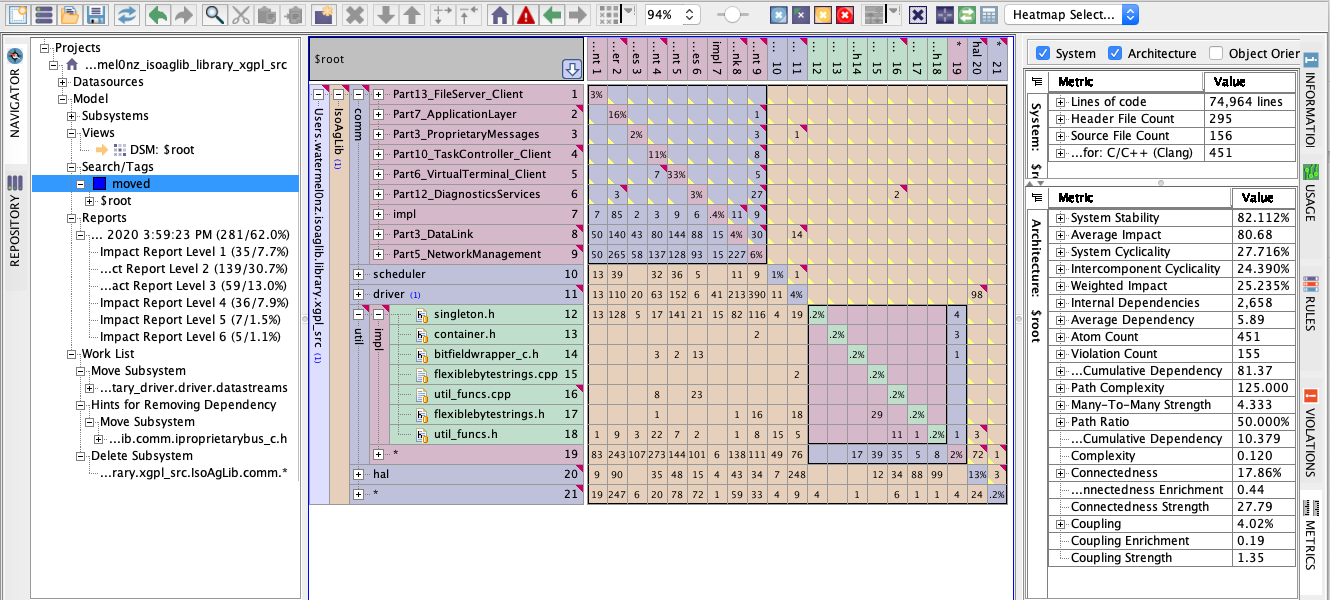
Lattix enables you to quickly identify and remediate architectural issues. It gives software architects a fast and visual way to represent an application’s architecture with the Dependency Structure Matrix technology. This gives insight into how different software layers interact and can identify potentially undesirable relationships that exist in the code. Our desktop base platform integrates with your development tools, making architecture checking a seamless part of your development process. Lattix Architect is the competitive advantage you need to development, build, and test at the speed of DevOps. With Lattix you can:
Lattix Suite includes three products that extend Lattix Architect, which is used to understand, define, and refactor your architecture. The Suite enables a seamless and automated way to track the evolution of your projects. It provides intelligence for development teams and managers to identify problems before they result in delays to the release cycle.
Lattix Architect
Version snapshots are published to the Lattix Repository
Lattix Command Line
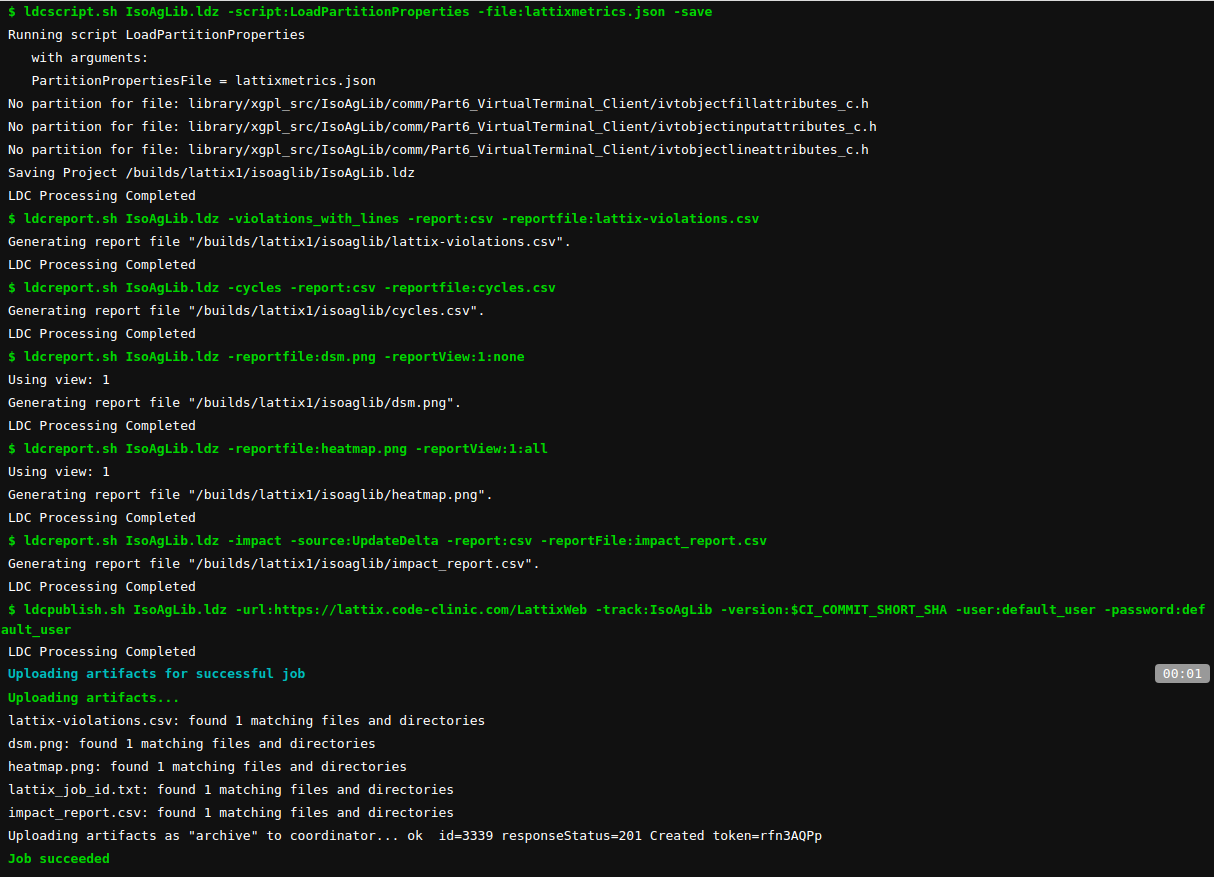
Automatically publish updated versions to the Repository and generate reports
Lattix Repository
On-prem web server

Lattix Web
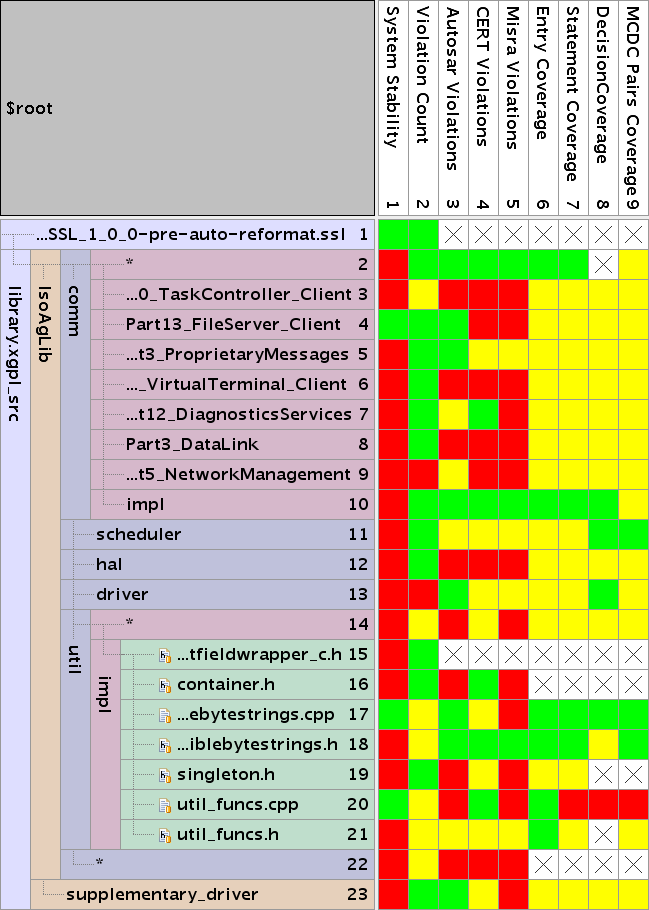
Accessible from your browser, the extended team can view projects with snapshots of each build and compare trends of changes, architecture issues, metrics, and a variety of other data…without needing to learn how to use Lattix Architect. Lattix Web also includes the Heat Map so that users can see data from static analysis and testing mapped to the architecture for prioritizing remediation efforts.

CI/DevOps
Software delivery pipeline automation coupled with Lattix expert services provides embedded safety-critical software development organizations a stable, scalable, and comprehensive DevOps workflow. This collaboration seamlessly enables teams to manage software architecture, software quality, and drive testing to comply with safety-critical standards.

Heat Map
Aggregate code coverage, static analysis and architecture findings into one holistic view of code quality. See all the critical quality data through the perspective of the architecture in the HeatMap, which is automatically produced and presented in the Gitlab Merge Request. This enables critical decisions to be made regarding whether to merge defective code coming in from a feature branch.
Impact Analysis
Perform impact analysis on a defect, to see what files and packages are affected by a fault in the software.
Changed Based Testing
Perform Change Based Testing by analyzing the impact of code changes and re triggering only those unit and integration level tests affected by the changes.